How Long Ofr Stain to Dry to Sand Again
How Long Should Stain Dry Before Polyurethane – Sealing Stained Wood
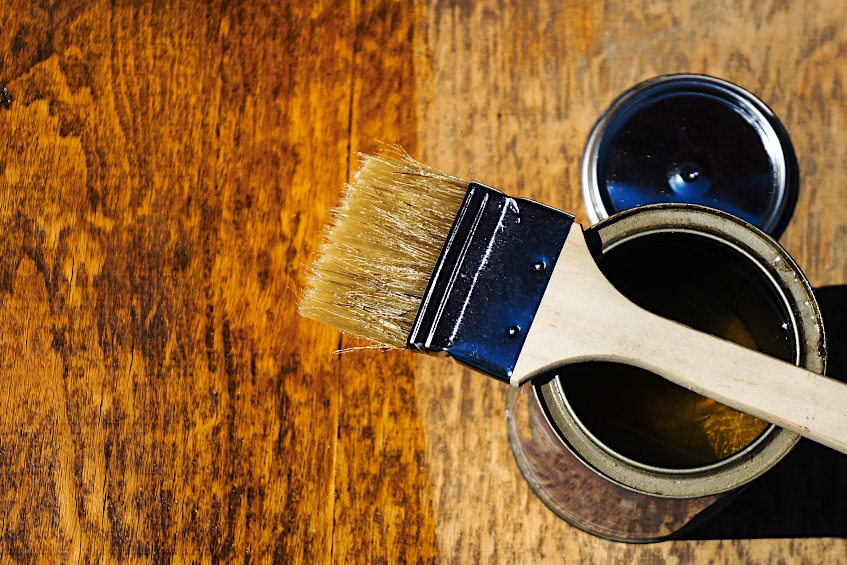
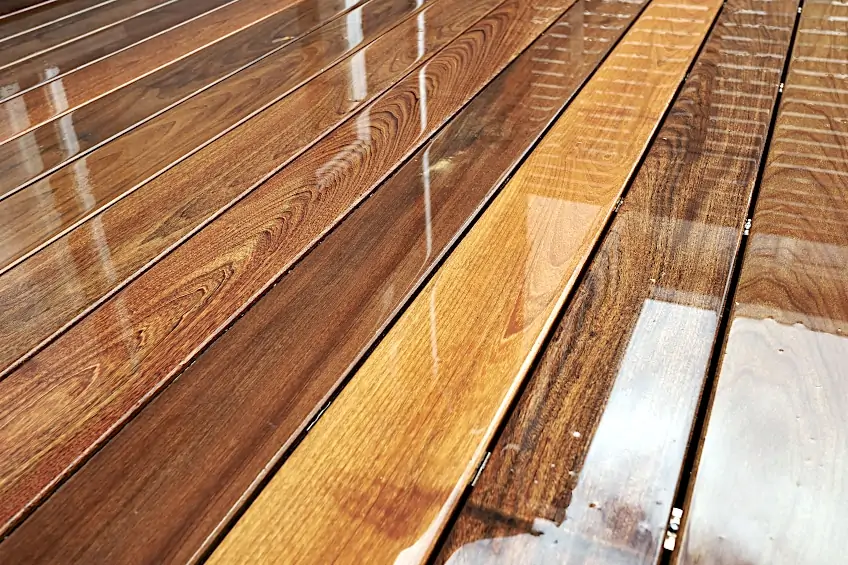
There are two types of people, those wise plenty to seal newly stained wood the first fourth dimension effectually, and those who discovered way too late that yous really should apply sealant to stained forest. Sealing stained woods tin essentially give yous an indestructible finish, capable of withstanding fifty-fifty the toughest weather conditions while protecting your workpiece from affect, scratches, wet, insect infestation, and even heat and UV damage. How long should you wait after staining before you lot seal your woods though? Let's have a look.
Inhaltsverzeichnis
- 1 How Long Should Stain Dry Before Polyurethane Can Exist Applied?
- 1.1 Oil-Based Forest Stain
- 1.2 Water-Based Forest Stain
- 1.3 Gel-Based Wood Stain
- i.iv Lacquer Forest Stain
- 2 Is There a Way to Speed Up the Drying Procedure of Wood Stain?
- ii.1 Ensure That Your Wood Has Been Sanded Correctly
- 2.2 Ensure That You Are Working in an Ideal Ambient Temperature
- 2.iii Use Artificial Temperature Command or Compatible Substances
- 3 What Happens if You Apply Polyurethane too Early on?
- 4 How Do You Know if Your Forest Stain is Dry out?
- five What Are Metalized Dye Stains?
- 6 Oft Asked Questions
- 6.1 How Long Should Stain Dry Before Polyurethane Is Applied?
- half-dozen.ii How Long After Staining Tin can You Apply Polyurethane Coating?
- 6.3 What Is the Typical Polyurethane Stain Drying Time?
- 6.4 How Much Time Should Expire Between Staining and Polyurethane Blanket?
How Long Should Stain Dry Before Polyurethane Can Be Applied?
This is a bigger question than about people might think. Wood stains tend to take varying drying times based on their cadre ingredients. At that place are water-based stains, oil-based stains, conventional varnish, and various other stain types that all dry out at unlike rates. This being said, you should familiarize yourself with each stain type and their drying time as this could come up in handy if your projection is time-sensitive. Hither are a few types of wood stains and their drying times for your convenience.
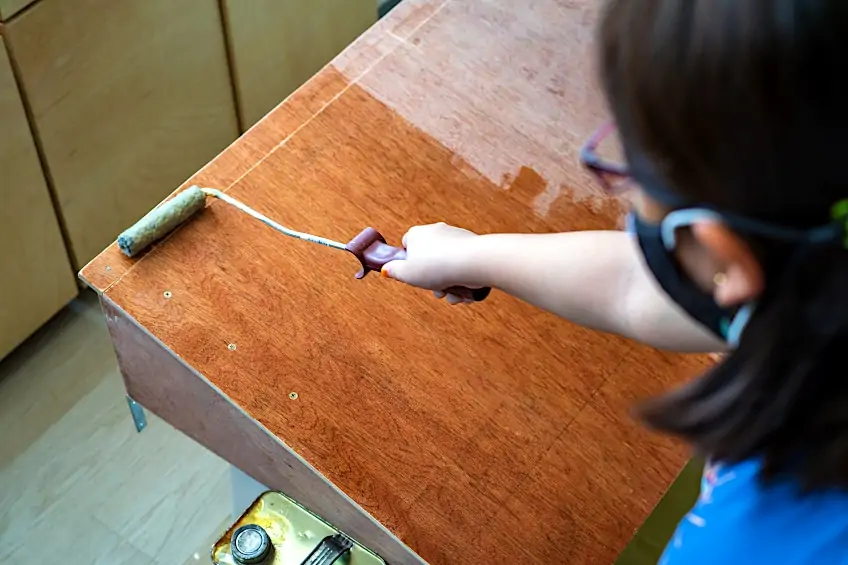
Oil-Based Wood Stain
Oil-based stain takes considerably longer to dry compared to other types of forest stain. This is due to it having a thicker consistency and the fact that oil-based stains tend to seep deep into the pores of the wood and demark with its fibers.
Depending on conditions in your immediate area, an oil-based stain can accept anywhere between half-dozen to 24 hours to dry completely. In unfavorable atmospheric condition oil-based stains can accept 48 to 72 hours to dry completely, this means that you will need to look quite a while earlier your polyurethane coating can exist applied.
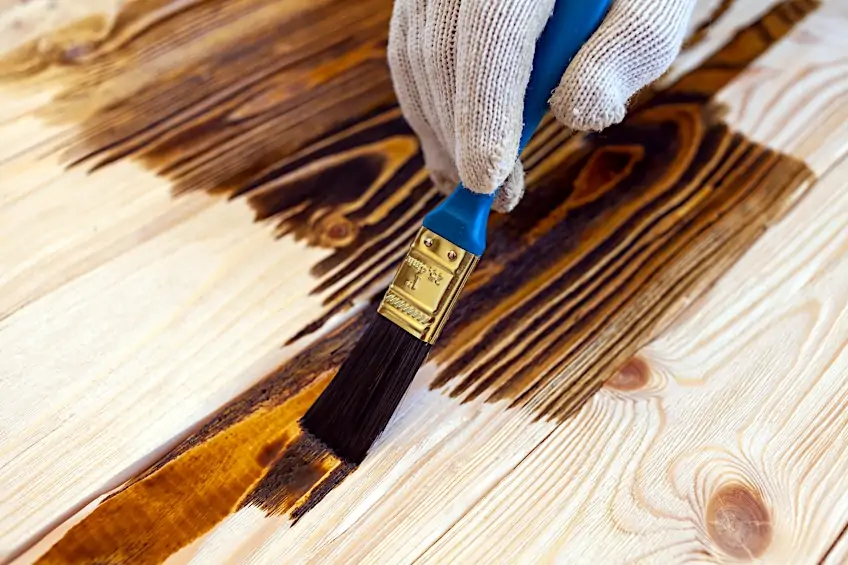
Yous should besides keep in mind that not all brands of oil-based stain are as equally effective, if you're using a depression-quality production the dry time tin exist significantly extended, resulting in yous waiting far longer than the same time periods for your polyurethane coating to be applied.
The ideal conditions for oil-based paints to dry in (given that yous take an acceptable quality of stain on manus) is 70 degrees Fahrenheit (21 degrees Celsius) with adequate ventilation inside a controlled environment.
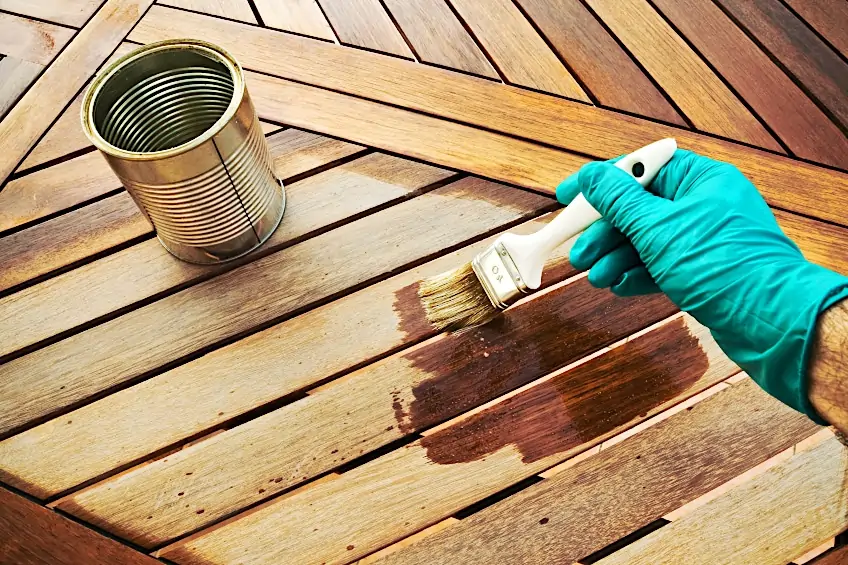
Water-Based Wood Stain
One of the more complicated stains on the marketplace is water-based woods stain. Water-based stains can exist considered the new kid on the cake equally far equally forest stains are concerned. Why? Well, oil-based wood stains were some of the most popular wood treatments on the market for many years until water-based stains were introduced as an affordable alternative.
Water-based stains are often marketed equally latex wood stains even though they contain little to no actual latex in their formula, so if you lot have whatever aversion or allergies involving latex yous need not worry about this wood stain. Water-based woods stains tend to be thinner in viscosity compared to oil-based wood stains, and as a result, they are significantly easier to piece of work with.
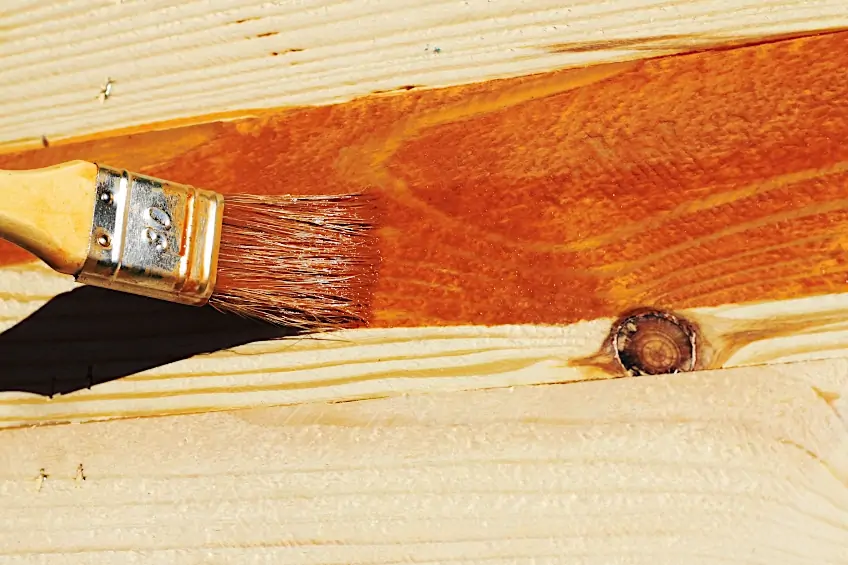
Non simply are water-based stains easier to clean up, only their drying fourth dimension is significantly shorter than oil-based forest stain which makes them a go-to for those projects that are a chip more time-sensitive.
Water-based wood stains are as well far better for the environment because they contain significantly less volatile organic chemicals than oil-based wood stains. In ideal conditions, h2o-based woods stains only take about an hour or two to dry completely, this makes them platonic for DIY enthusiasts and professional person crafters alike.
Gel-Based Wood Stain
Gel-based woods stain is notwithstanding another new entry in the woods stain market. Gel-stain isn't really like most other woods stains on the market place and is unique in near of its characteristics. How so? Well, most wood stains are considered to be wood treatments, this is considering they penetrate below the surface of the wood and bail with its fibers.
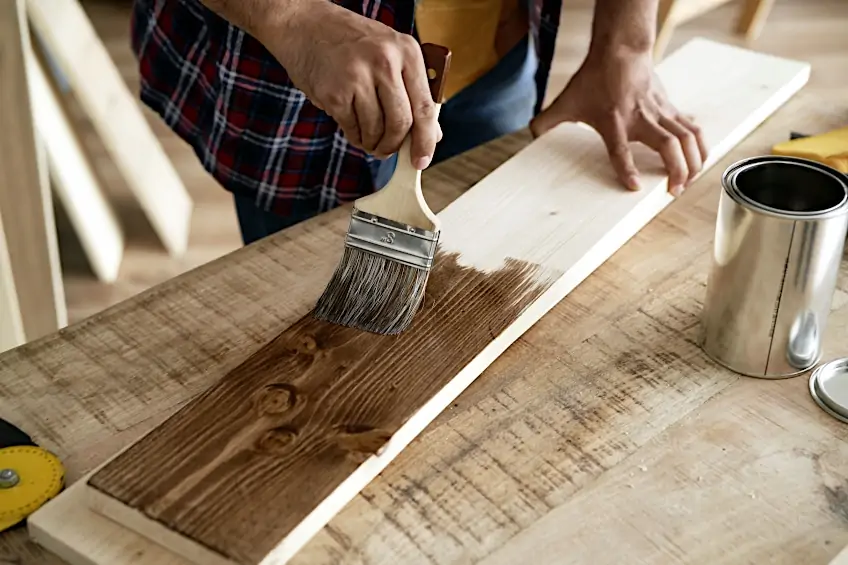
This is not the instance with gel-based wood stain, instead, gel-wood stain stays on the surface of the wood and creates a blazon of insulation, preventing exterior forces from degrading the wood. This existence said, gel-based wood stain is not a wood treatment and is more of a surface glaze, although information technology is still widely considered to be a wood stain due to the fact that it still affects the color and texture of the forest.
Gel-stain is known for being especially skilful at hiding whatsoever existing stains on woods such as nutrient stains, water stains, previous forest treatments, and many more. Another characteristic that seems to be unique to gel-based wood stain is its thick consistency; this makes information technology ideal for staining vertical surfaces or surfaces that don't accept a lot of surface friction.
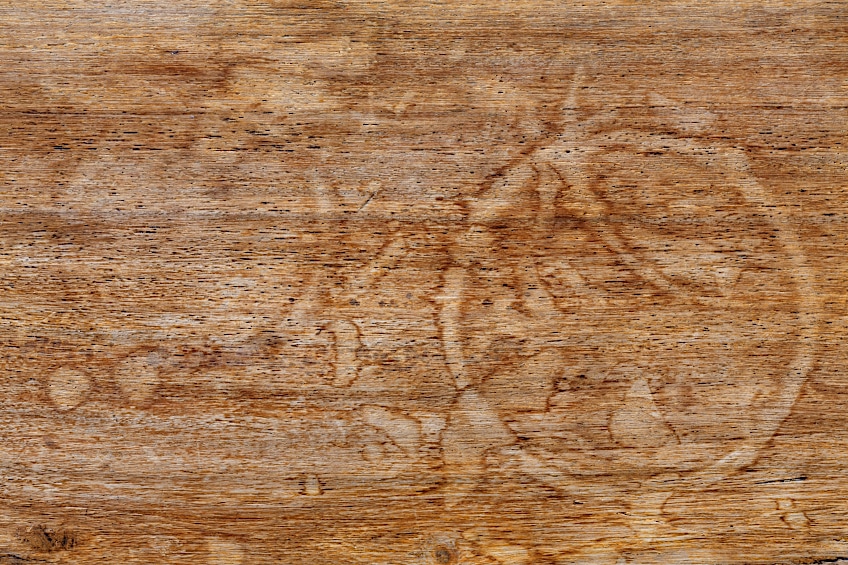
While this makes it sound a lot like pigment, gel-based wood stain actually allows the grain and texture of your board to remain visible and tangible on the woods's surface. If yous're working on a time-sensitive project, we do not recommend using gel-based wood stain as it takes between eight to 24 hours to dry out completely depending on the corporeality practical to your workpiece, and ambient weather.
Lacquer Wood Stain
Lacquer and oil-based wood stains tend to fall into the same vein. They are both former-school wood treatments when compared to water-based and gel-based stains. Lacquer has been around for a while and does a really bully job at both upping the artful entreatment of the board and protecting information technology from exterior forces.
Lacquer, like the oil-based stain, is waterproof and virtually transparent in appearance. This wood treatment is typically used on high-end furniture and lasts the lifetime of whatever workpiece. Lacquer might be effective as a forest handling but lots of crafters have moved abroad from using it in recent years due to its production existence bad for the surround.
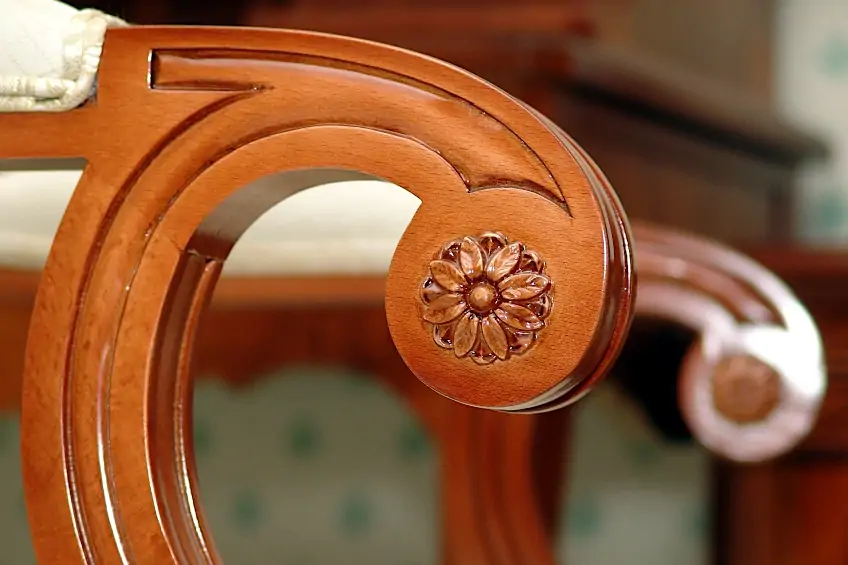
Although information technology doesn't incorporate an obscene number of VOCs, lacquer can cause serious discomfort if inhaled or if it comes into contact with your skin, and to make matters worse information technology can only be applied via a spray gun. This means that working with lacquer (in add-on to producing it) can be hazardous.
This being said, it still produces a beautiful terminate that really sets your workpiece apart from the rest, and considering it has a complete dry out time of around five to 10 minutes you tin can apply this high-cease finish for all of those time-sensitive projects. This particular wood handling does not require the use of a sealer equally information technology does a pretty skilful job of sealing itself, simply at that place's no harm in adding a polyurethane coating should the mood take you.
| Wood Stain | Drying Time |
| Oil-Based Woods Stain | vi-24 Hours |
| H2o-Based Forest Stain | one-two Hours |
| Gel-Based Forest Stain | eight-24 Hours |
| Lacquer Wood Stain | 5-10 Minutes |
Is There a Manner to Speed Up the Drying Procedure of Forest Stain?
How long should forest stain dry out before polyurethane tin can be applied? Well, regardless of the type of forest stain y'all choose to use, if the conditions in your workspace aren't ideal, they will either take longer than expected or exactly as long as they should. Is this a bleak prospect? Maybe, but you have the power to alter your working conditions, so they are as conducive as possible to the drying of your woods stain. Let'due south take a look at a few things you tin can do to ensure that your woods stain dries equally quickly every bit possible.

Ensure That Your Wood Has Been Sanded Correctly
How long does stain take to dry out? Well, since we've looked at the various dry times of forest stain based on their base element, the adjacent factor you should consider is the state of your forest. If your woods has non been sanded correctly and the previous wood treatment or former conditioned wood is still present on the surface of your board, your wood stain volition accept significantly longer to dry.
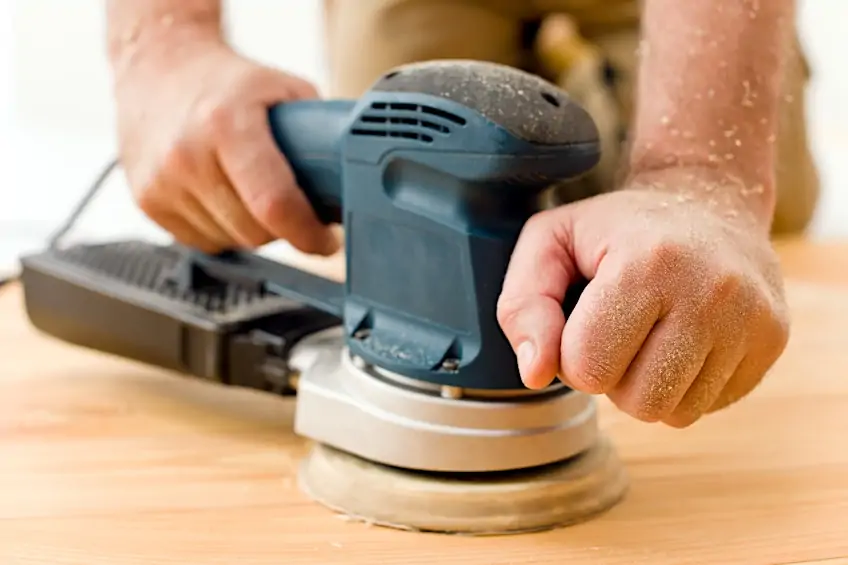
In addition to taking longer to dry, you will end up with blotches on the surface of your wood which y'all will have to remove, sand, and re-stain. How long does stain have to dry? Faster if you lot sand your workpiece correctly!
Ensure That You Are Working in an Platonic Ambient Temperature
What happens if you utilise polyurethane before stain is dry? Well, it's a bit like taking a cake out of the oven before it'southward prepare, you're going to have a mess on your hands. Speeding up your drying process doesn't depend on your workpiece alone; in fact, you should ensure that the airflow and ambient temperature are good too.
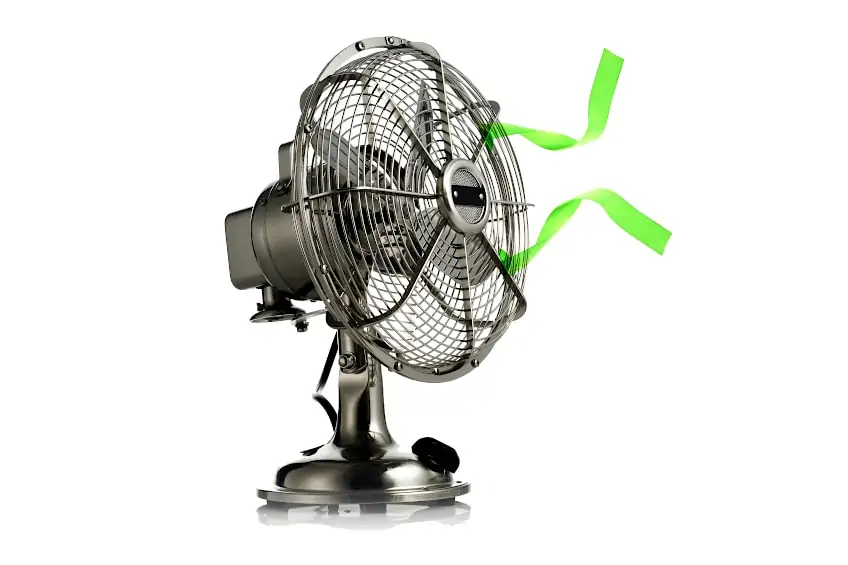
If the temperature and airflow in your workspace are as well hot or too cold, information technology could extend the dry time of your wood stain or prevent it from drying and curing completely. What happens if you use polyurethane before the stain is dry out then? Well, the two substances will inevitably mix, which will result in y'all either scrapping your entire workpiece or having to clean, re-sand, and re-stain your workpiece.
Use Bogus Temperature Command or Compatible Substances
Controlling the temperature of your workpiece can significantly decrease the drying time of your wood stain. How practice you do this? Merely use a heat gun, hairdryer, oven, or (pro tip) the sun to increase the temperature of your workpiece and remove the majority of the humidity in its immediate vicinity.
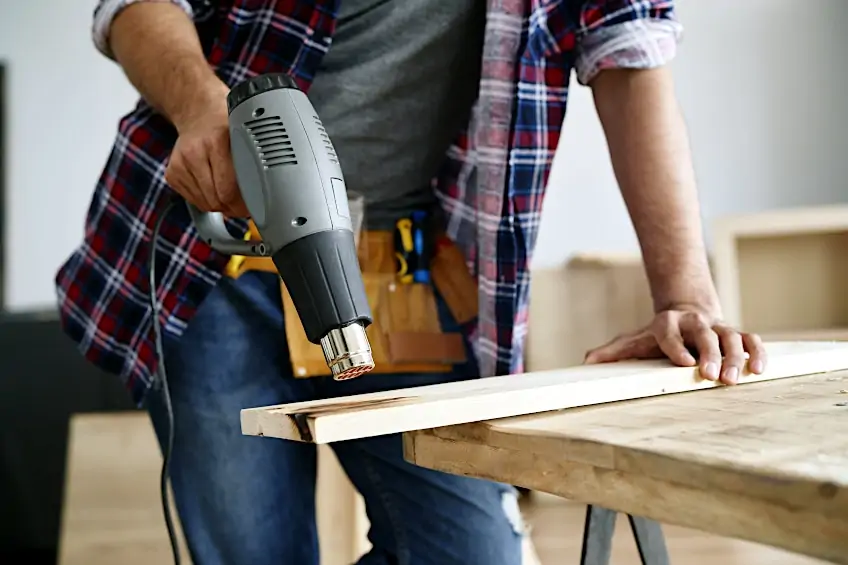
Additionally, you could employ uniform agents like alcohol or products with the aforementioned base chemical element as the wood stain you're using to increase the drying rate of the stain. Other methods include using a dehumidifier in an enclosed space, increasing airflow in your workpiece, or simply finding something to go on yourself decorated so it feels like time is passing by faster (if you don't have access to any of the aforementioned ways)
What Happens if You Apply Polyurethane too Early?
Nosotros mentioned earlier that applying polyurethane to wet wood stain is a bad idea overall. Why? Polyurethane and woods stain are fundamentally unlike substances, and they are both extremely incompatible in their wet states. Nosotros know that it can be frustrating to wait for the wood stain to dry, simply if you lot apply polyurethane to tacky stain neither the wood stain nor the polyurethane coating volition dryat all.

This means that yous take essentially taken something that would accept taken a moderately long time to complete and made it completely unsalvageable. Applying polyurethane over tacky stain will inevitably result in you having to remove the mixture you lot have created and then having to re-sand the surface of your workpiece, re-stain it, await for the stain to dry completelyall again,and and then use your polyurethane sealer again.
How Do Yous Know if Your Wood Stain is Dry?
The reply to this question varies from woods to wood, and you are working with wood stain for the first time. This is a really adept question. Water-based stain is past far the easiest to assess when checking if it has stale completely.
The water-based stain will but exist completely dry to the touch on after the manufacturer's recommended drying time has elapsed, therefore if you have whatever doubts simply affect an camouflaged office of the workpiece.
Oil-based stains do take considerably longer to dry out, but they give you lot 2 indications that they accept stale completely. The first indication will be when the stain stops smelling and the smell dissipates, the 2d would be when the stain is no longer tacky to the touch, instead of leaving your surface smooth and the grain of your lath might be slightly more pronounced. Gel-based stain is a chip of a mixed bag when it comes to checking if it has dried correctly.
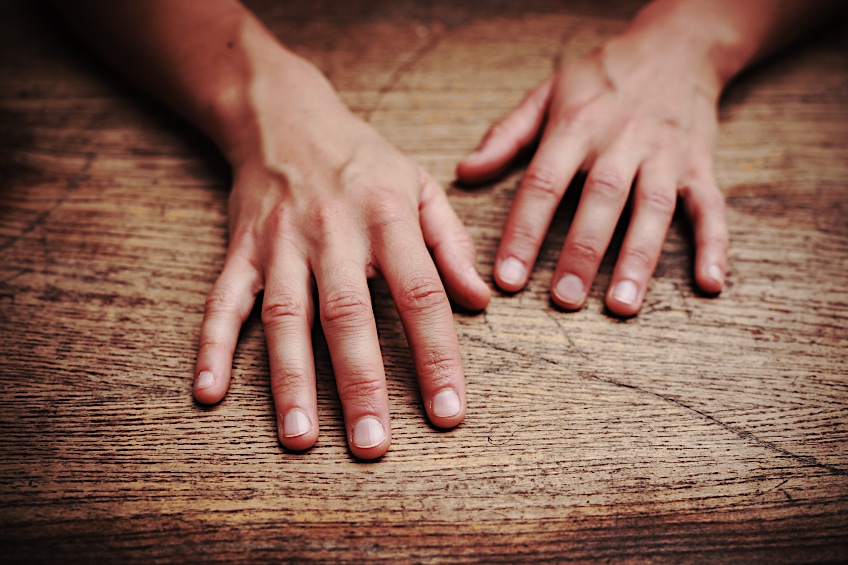
Gel-stain tends to be very sticky compared to oil and water-based stains and then the best way to check if your gel-based stain has stale is simply to try and scratch it off. A skillful indicator of whether your gel stain is on its manner to drying is if information technology has become really sticky. This means that your stain is well on its way, simply if it's nevertheless gooey in texture, this could mean that either your workpiece, piece of work area, or stain needs to exist adjusted.
When information technology comes to telling if lacquer has stale you lot shouldn't have a problem at all. Lacquer tends to dry so apace it might experience instant. Lacquer stain tends to evaporate into the wood's fibers, which makes it perfect for those time-sensitive projects. Lacquer also has a very distinct odor once information technology has dried, it tends to mix with the natural scent of the wood, and it will go out behind a sleeky finish letting you know that information technology has dried completely.
What Are Metalized Dye Stains?
Looking for something a bit off the beaten path? Tin can't quite observe a wood stain that fits the image you have in your head? Well, you're in luck because we have one more choice for you and we promise it's non varnish! This one is a bit of a nail from the by, it'southward all the way from the 1950s and has been used to create finishes that tend to last a lifetime.
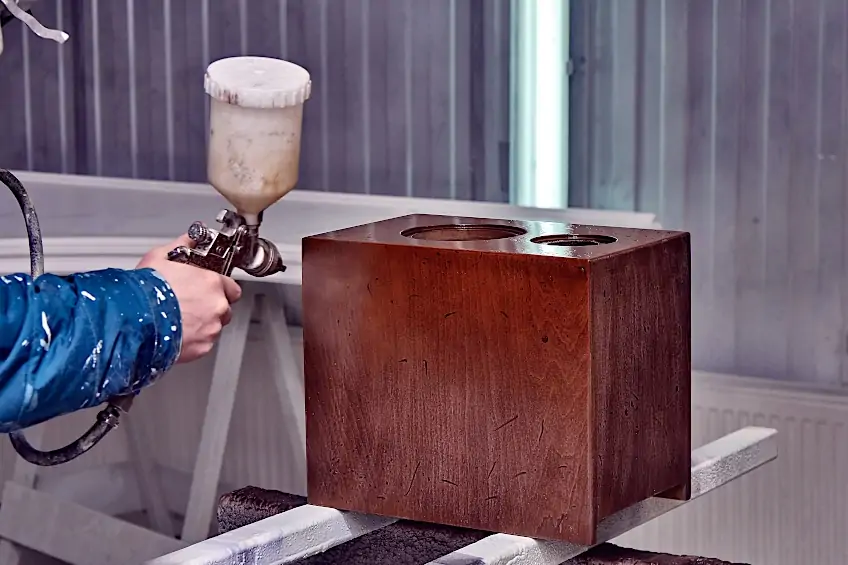
Metalized dye stain is a wood treatment that is most commonly referred to as grain-raising forest stain. Why? Well, it tends to do something completely unique when practical to a forest board, it actually raises the grain of the forest above the surface of the lath to create a really beautiful aesthetic.
Not simply will metalized dye stain ready your workpiece autonomously from the rest, but it intensifies the forest'due south natural color in the process. This being said, if there is a forest stain capable of doing all of this, why don't we hear of it more often? Well, like almost things out of the '50s they aren't really good for the surroundings, and like most other things from the '50s, the aesthetic they produce simply fell out of fashion.
Now that you know how long each type of wood stain takes to dry, why it'southward important to wait for the wood stain to dry out before applying sealer, how long to let the stain dry earlier polyurethane can be applied, the factors that affect the dry time of wood stain, and how to tell if woods stain has stale completely, it's fourth dimension for you to leave at that place and put your newfound cognition to the test. Remember to e'er piece of work in a well-ventilated surface area when working with wood stain, and to e'er ensure that conditions in your workspace are conducive to your forest stain drying as fast as possible.
Frequently Asked Questions
How Long Should Stain Dry Earlier Polyurethane Is Applied?
Even though there are various types of stains out there that dry at dissimilar rates, you should practise your all-time to let any stain dry for 12 to 24 hours before applying a polyurethane sealer. This reduces the possibility of the stain only being dry on the surface and you lot having to re-exercise your entire workpiece.
How Long Later on Staining Tin can Yous Apply Polyurethane Coating?
How long after staining tin you employ a polyurethane coating? Even though there are stains on the market that dry a lot quicker, you lot should make a habit of allowing a stain to dry for a full 24 hours earlier applying a polyurethane coating.
What Is the Typical Polyurethane Stain Drying Time?
What is the typical polyurethane stain dry out fourth dimension? This is entirely dependent on the type of polyurethane you lot choose to utilise on your workpiece. While water-based polyurethane typically takes a maximum of two hours to dry out out, it volition take oil-based polyurethane around eight hours to dry. The full cure time for any polyurethane product is typically 24 hours.
How Much Time Should Elapse Between Staining and Polyurethane Coating?
How long should yous await between applying a stain and a polyurethane blanket? Considering that most commonly used stains take betwixt 12 to 24 hours to dry and cure completely, it's good practice to expect a full 24 hours before applying polyurethane sealer to your workpiece subsequently your stain has been applied.
Source: https://resin-expert.com/en/guide/how-long-should-stain-dry-before-polyurethane
0 Response to "How Long Ofr Stain to Dry to Sand Again"
Post a Comment